

Arthur J. Bressan, Jr: The Cinephile's Pornographer
A pioneer of queer cinema, the late writer and director aspired to create more than mere X-rated material. His body of work proves that he succeeded.
Pornography is historically reviled and looked down upon, but there’s been an effort to reevaluate vintage gay porn, and the films of Arthur J. Bressan, Jr. are among the best of retro all-male erotica. Citing Frank Capra and Sergei Eisenstein among his influences, Bressan aimed for his films to be more than just mere jerk-off material. As he said in 1986, “I wanted to be honest about gay life and gay sexuality.” With films set in either 1970s San Francisco or 1980s NYC, Bressan’s body of work depicts an earnest portrayal of post-Stonewall gay life and was known for its romantic and tender portrayals of love between two men.
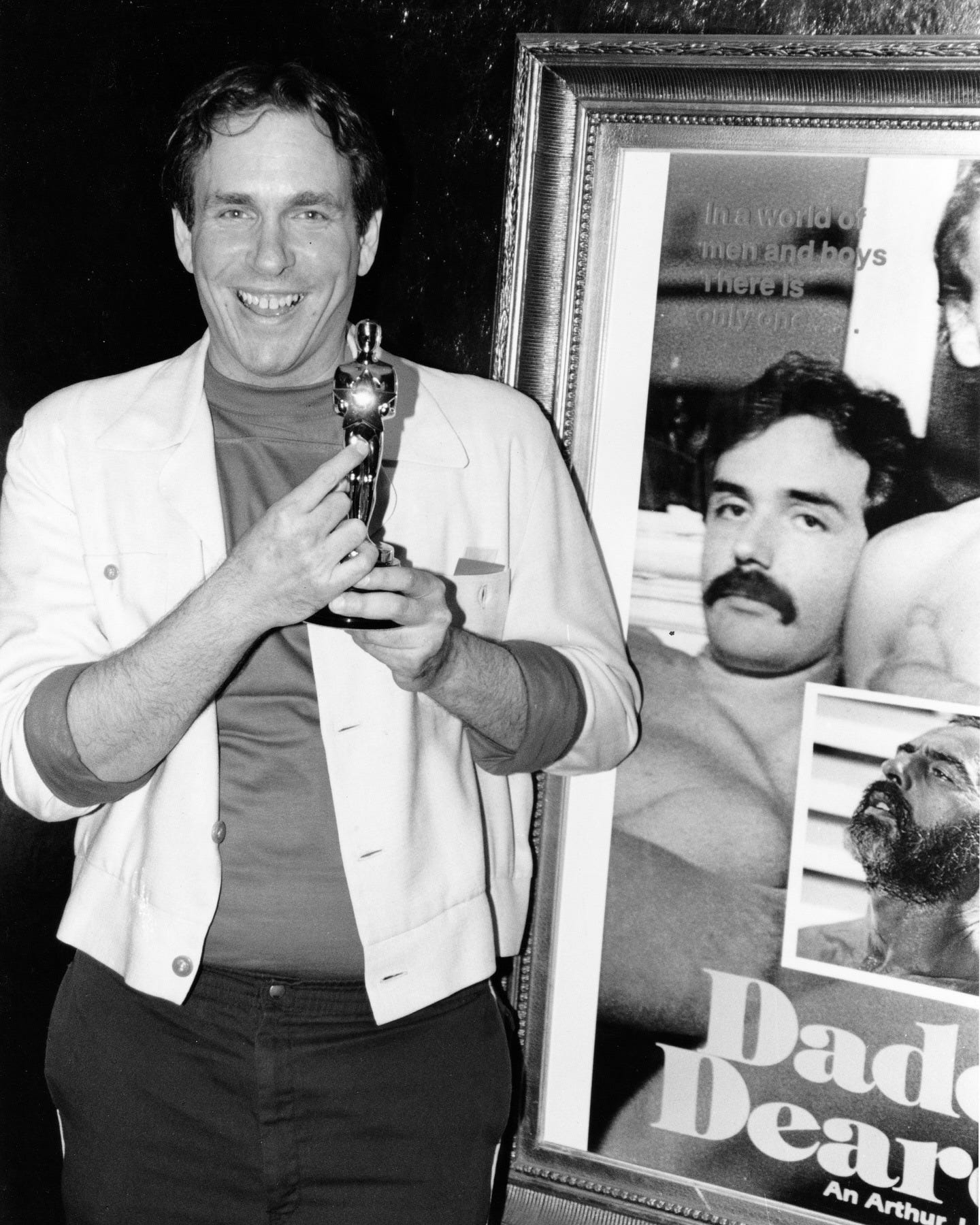
Originally from New York City, Bressan moved to San Francisco in 1969, after he decided to live his life as an openly gay man—three years before Harvey Milk made the same decision. He found the gay mecca of the 1970s to be ripe with inspiration. His first feature, Passing Strangers (1974), follows young Robert (Robert Adams) after he answers a personal ad in the newspaper for the first time and meets up with an older man, Tom (Robert Carnagey). A tender coming-of-age film, Passing Strangers captures the milieu of bohemian post-Stonewall San Francisco, where sex is liberating and anything goes.
His next film was a feature-length documentary called Gay USA (1977) that detailed the ’70s gay rights movement and documented pride marches around the country, making him the first gay director to tackle the subject. Upon its release, Gay USA didn’t do well at the box office. Bressan claimed in 1979 that despite his marketing efforts, he didn’t make a cent from the documentary. Gay USA suffered from comparisons to Word Is Out: Stories of Some of Our Lives, which had its premiere at the Castro Theatre in 1977. In the August 1979 issue of Alternate: The American Magazine of Sexual Politics, Edward Guthmann described Word Is Out as “much more palatable, slick, straight-oriented, pretty, and safe.”
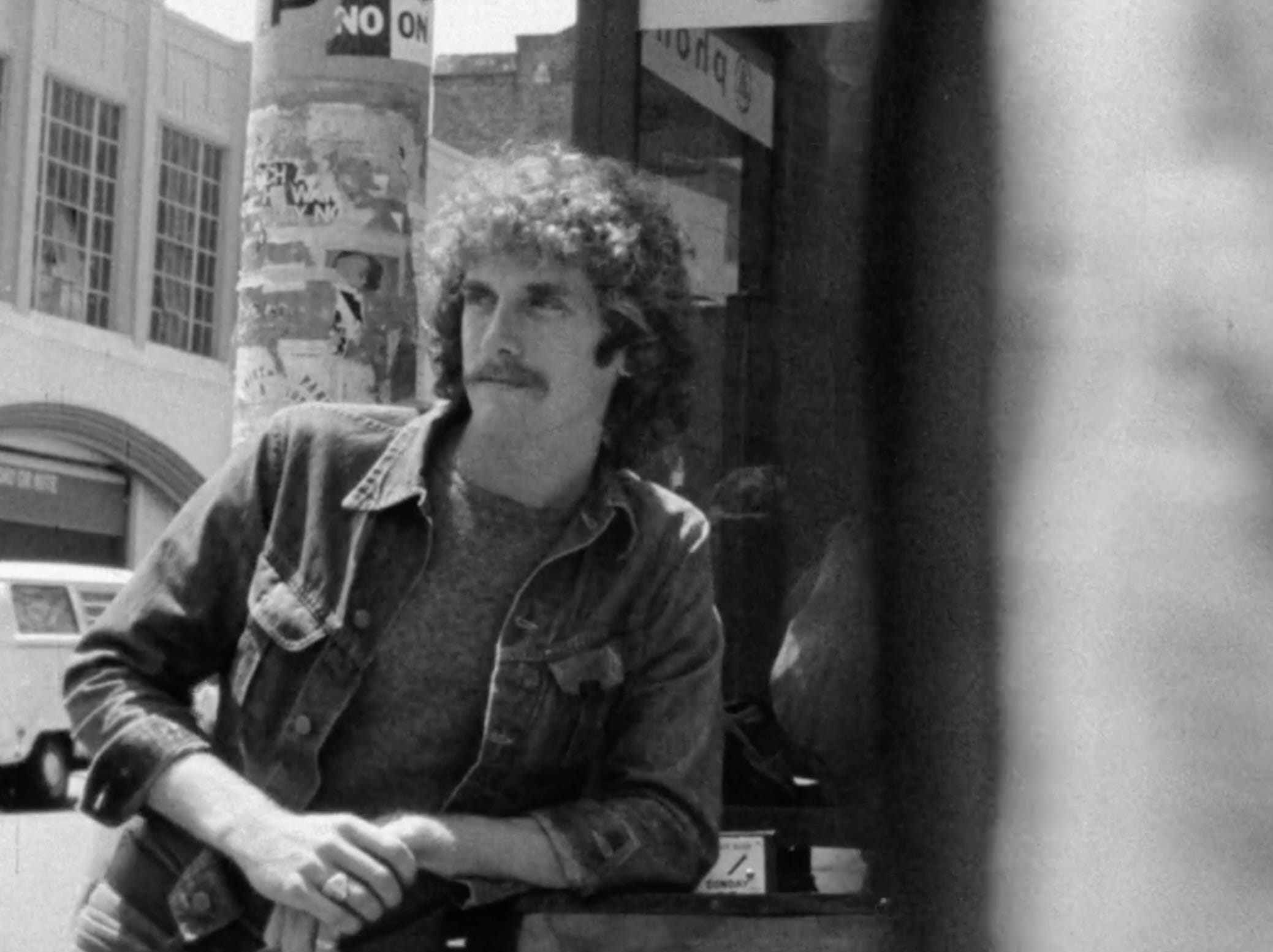
Gay USA depicts the passion, anger, and defiant optimism of the queer community, which was under attack by the homophobic right. Hate crimes weren’t uncommon, California’s anti-gay Briggs Initiative had just been announced, and Anita Bryant successfully campaigned to repeal the Miami-Dade County, Florida ordinance that prohibited discrimination based on sexual orientation. After being beautifully restored by the UCLA Film & Television Archive in collaboration with Frameline and Outfest, Gay USA has been reevaluated and secured a spot in queer film history next to Word Is Out.
After tackling the documentary genre, Bressan returned to his roots, making another gay pornographic love story with Forbidden Letters (1979). He cast Robert Adams again, and this time, Bressan paired him with Richard Locke, who was described by Honcho magazine as the “daddy of us all.” Larry (Adams) tries to pass the time on the day that his older lover, Richard (Locke), is set to be released from prison. He attempts to distract himself with casual sex, but when that doesn’t work, he reads through the forbidden letters he didn’t send Richard while he was in prison. He didn’t want to deny their love by addressing Richard by a woman’s name, but if he sent them with Richard’s, that might cause problems for him in the clink. As it gets closer and closer to the time of Richard’s release, Larry wonders how he will feel when he sees Richard again.
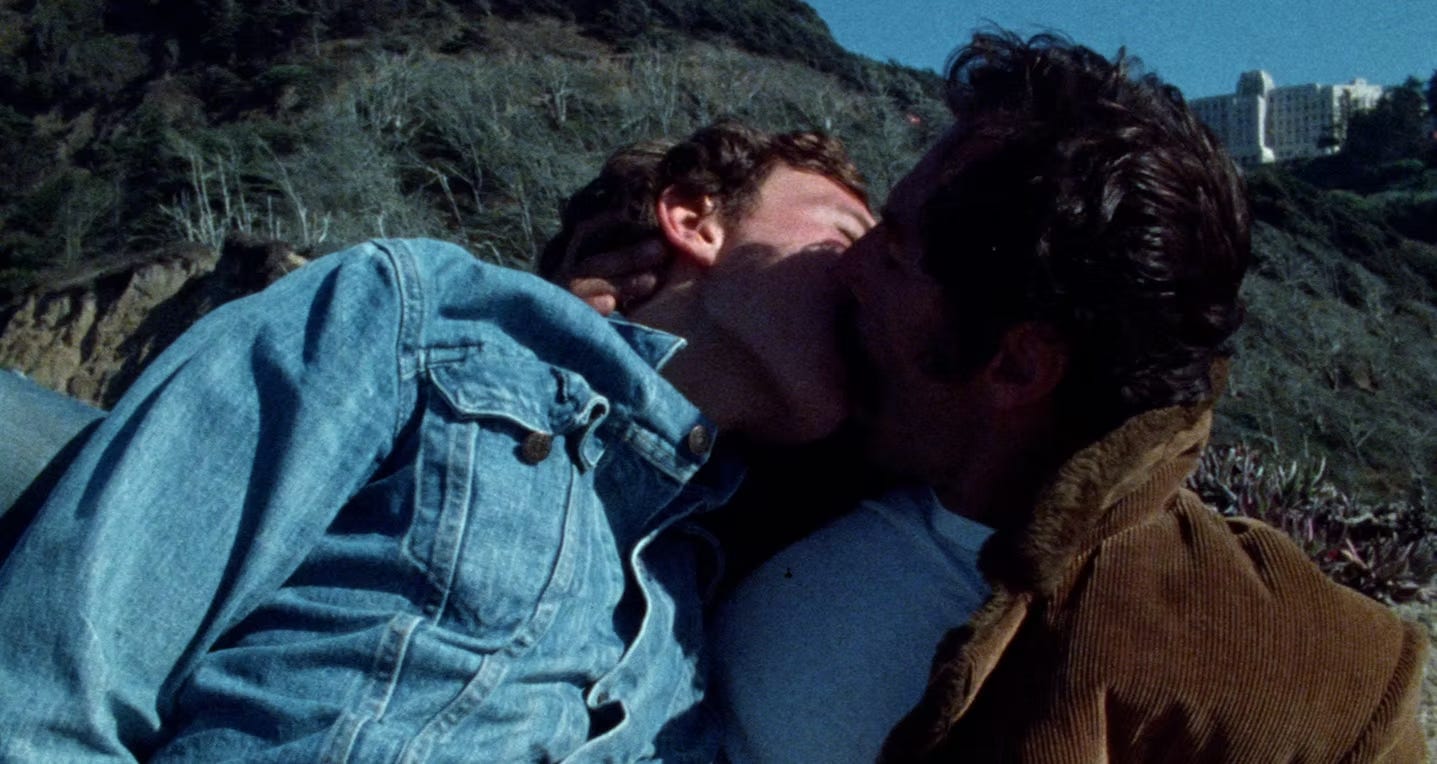
Upon its release in 1979, Forbidden Letters got stunning reviews. Gay Times magazine declared that it was “the most believable and beautiful gay film we have seen,” while Data-Boy claimed it “may well be the best X-rated film ever made.” Still, that didn’t mean Bressan didn’t get some flack for the romantic nature of his films. Certain audience members felt that the schmaltzy elements of his movies diluted the impact and sexual heat of a good skin flick. In the August 1979 issue of Alternate, Guthmann wrote that “certainly, his films would sell better were he to inject them with a harder stripe of sexuality.” But that didn’t deter the strong-willed Bressan. “I’m not interested in the traditional jack-off porno framework. It’s too easy,” he asserted in the Alternate article. He liked a challenge, but as a true cinephile, Bressan sought to make well-crafted movies. Forbidden Letters is undoubtedly one of the highlights of Bressan’s career. With tender performances, sophisticated camerawork, and a compelling story, it’s as legitimate as any non-pornographic film, just with unstimulated sex scenes.
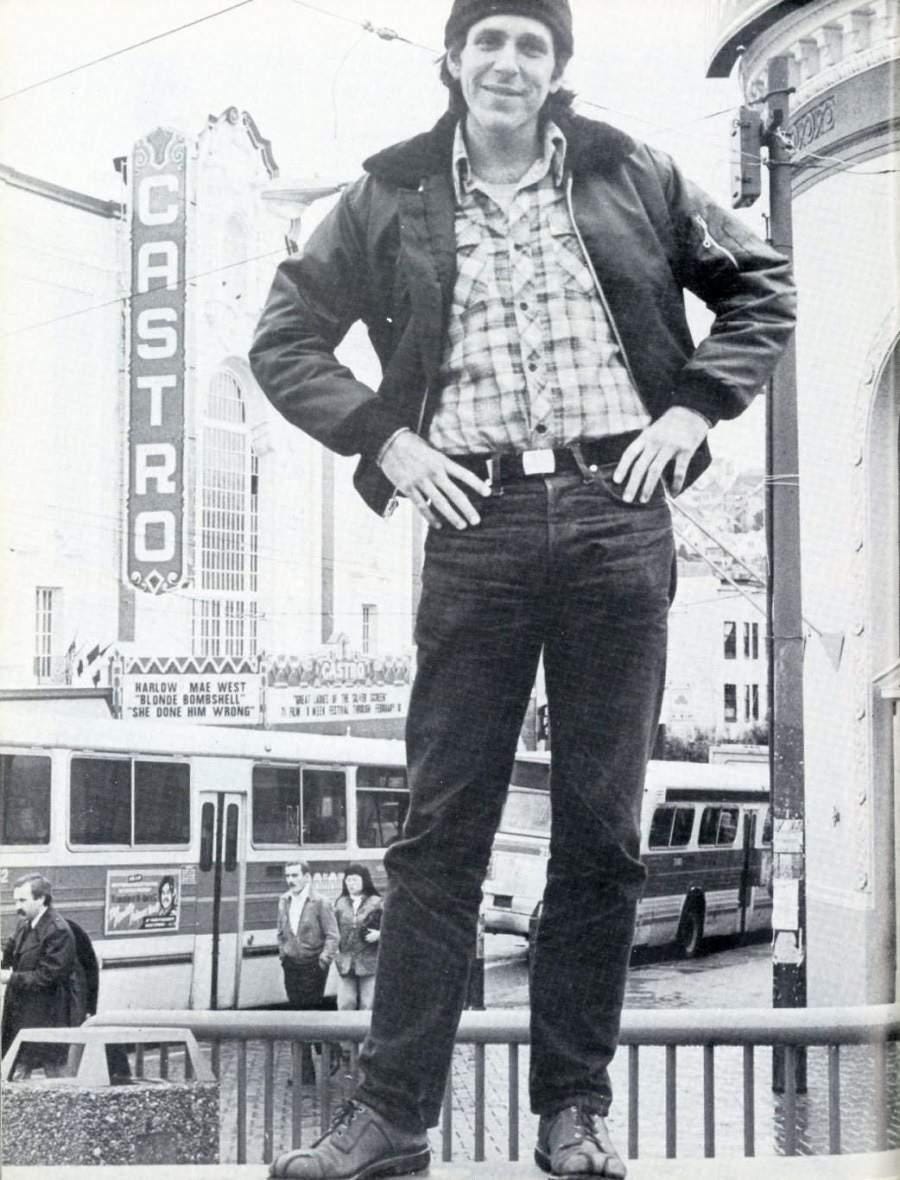
In the early 1980s, Bressan moved back to NYC, where he continued to direct. He released two films in 1984: Juice and Daddy Dearest. In Juice, a lonely photographer (Michael Christopher) who works for a gay magazine meanders around NYC, as he searches for models while mooning over a beautiful jogger (Butch La Cross) he once shot. Daddy Dearest follows Edward Thompson (Daniel Holt) as a gay filmmaker hard at work on his newest project about a pair of college boys who want to hook up with an older man (again, Richard Locke). But the memories of Edward’s ex and his fantasies of a couple he spies on begin to bleed into the action happening on set.
Released months before the groundbreaking TV movie An Early Frost, Bressan’s last film was Buddies (1985), making it the first feature film to tackle the AIDS crisis. Robert (Geoff Edholm) is a gay man from San Francisco dying of the disease in a New York City hospital room. Isolated from his community in the Bay Area, he is wasting away when David (David Schachter), a local younger man, becomes his buddy. This buddy system was a program started by Gay Men’s Health Crisis (GMHC) to assist AIDS patients as they were dying. Many of those afflicted were abandoned by their families after their HIV+ diagnosis, and hospital staff could be heartless.
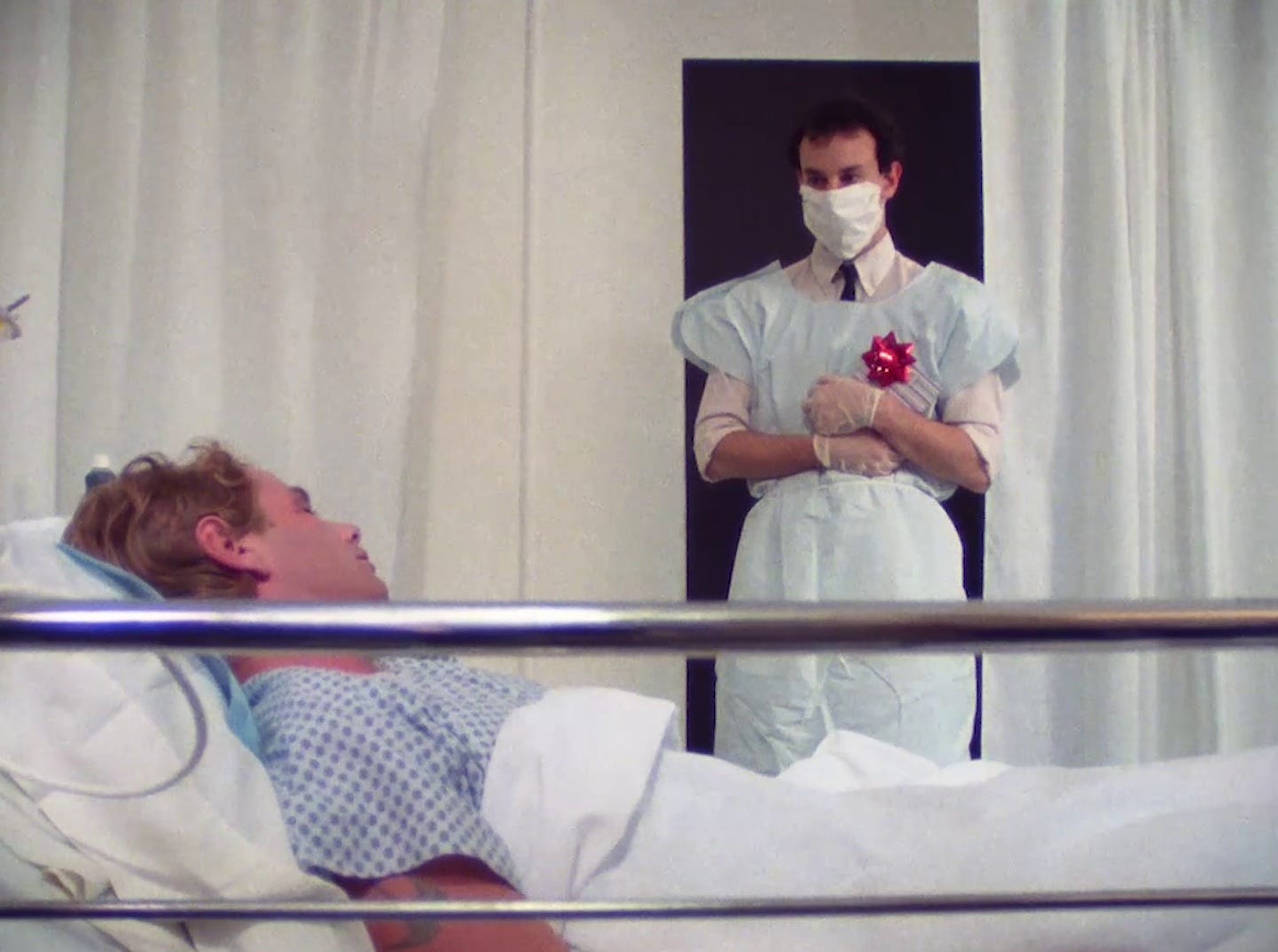
The two men are at different points in their lives. David has accepting parents and is in a monogamous relationship. Robert, however, was kicked out for being gay by his parents and was involved in the gay liberation politics of 1970s San Francisco. His worldview is totally shaped by those experiences. Robert and David represent their respective city’s attitude: The gay community in San Francisco was organized, led by Harvey Milk, and with his leadership, it defeated the Briggs Initiative. NYC’s gay community didn’t come together until after the AIDS crisis; instead, the momentum gained from Stonewall fell off as the gay sexual revolution of the 1970s began. As David and Robert get closer, David finds it hard to accept that Robert will die—and soon. Buddies is devoid of self-pity, sentimentality, and serves as a call to action, while still remaining sex-positive. It’s an amazing feat, remaining one of the best films made about the AIDS crisis.
After witnessing friends die of AIDS, Bressan was clear-eyed enough to know that Buddies could be his last film. He told queer film historian Vito Russo in an interview for The Celluloid Closet that “if Buddies turns out to be my last film, it’ll be a fine way to go.” Two years after the premiere of Buddies at the Castro Theatre in San Francisco, Arthur Bressan passed away of AIDS-related complications at the age of 44. He once stated that he wanted to be honest about gay life and sexuality, and looking at his body of work, it’s safe to say that he’d achieved his goal.
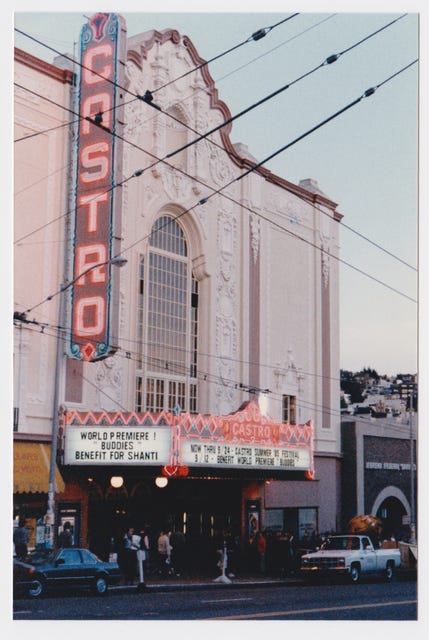
When asked by Edward Guthmann in a 1979 Alternate article how Bressan thought his films would be perceived in the future, he answered:
“They’ll always say my films are romantic. They’ll probably say I was fumbling at first, not sure what I wanted to say. They’ll say I was obsessed with saying something about the gay experience. And if they have their eyes open, they’ll know that I was in love with making movies.”
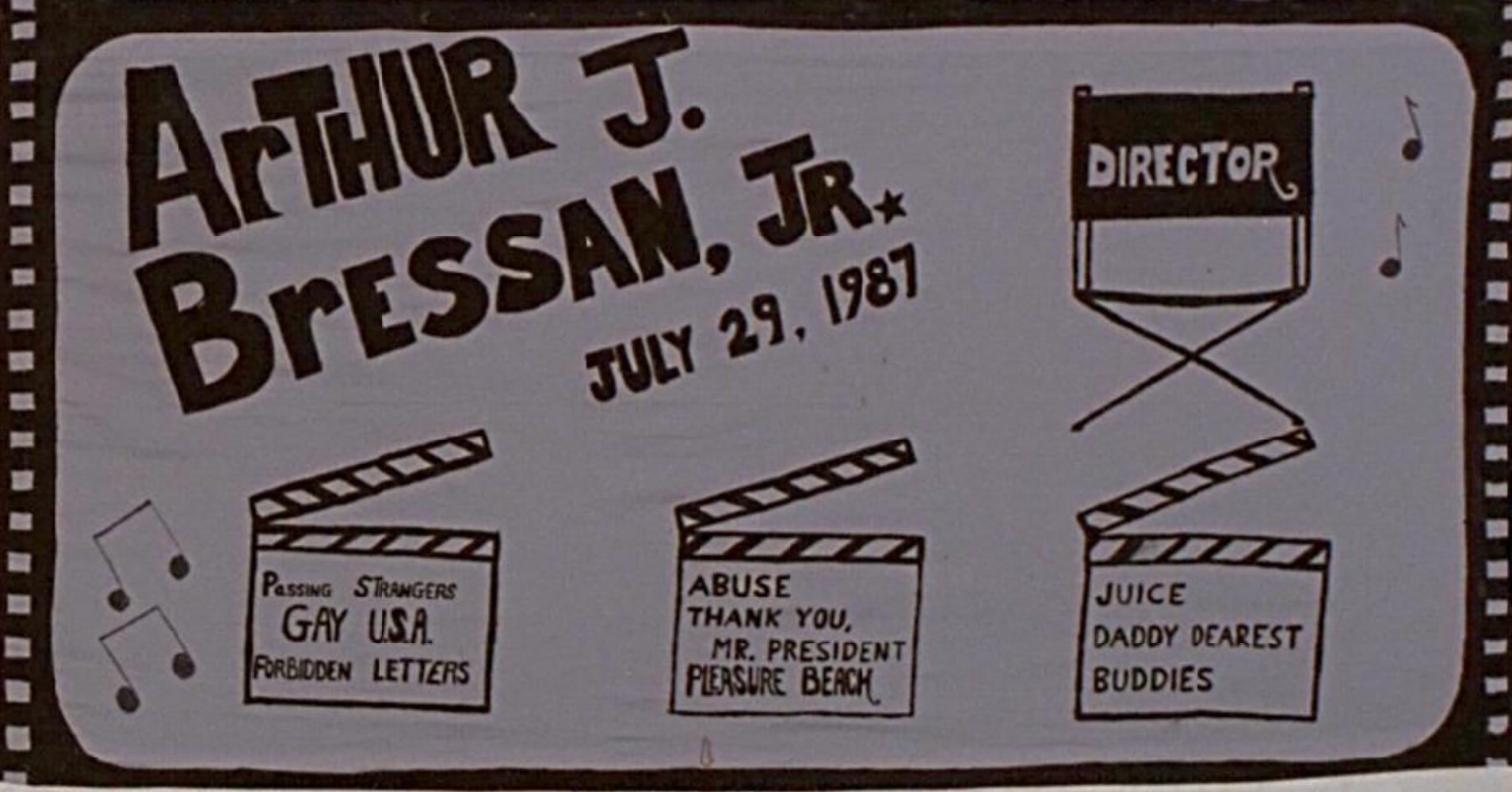
Through Bressan’s filmography, viewers can trace how gay life changed throughout the 1970s and ’80s—from Passing Strangers’ depiction of the happy days of post-Stonewall liberation in San Francisco to the dreary days of AIDS and Reaganism in the smoggy 1980s NYC-set Buddies. Arthur Bressan succeeded in making more than just mere jerk-off material, and he presents a unique and vital body of work that all cinephiles can appreciate.
“more than just mere jerk-off material”? In that case, I’d like to see the film showing NYC in the 70s.