

Coming Up: It’s Time for Noirvember
This month is dedicated to the American phenomenon known as film noir. Celebrate with some shadowy hard-boiled classics.
To those who aren’t aware, Noirvember is a month that cinephiles dedicate to film noir. Hard to define because, as Paul Schrader observed in “Notes on Film Noir,” film noir is defined by tone rather than genre. Still, these films—released during or after World War II—have one thing in common: They reflect a postwar cynicism that had crept into American cinema. When France first screened Hollywood films again after WWII, French film critics were shocked to see how nasty American movies had become and coined the term “film noir” (black film) to describe them. The main characters of these movies—oftentimes a man—usually have a bleak outlook on life where they don’t stick their necks out for anybody, but they do in one regretful moment for a dame. The 1940s was a decade of major change, and men had been suffering from anxiety surrounding gender and its changing norms for a while, only exacerbated by WWII. Together, film noir reflected all the pessimism and cynicism these factors might cause.
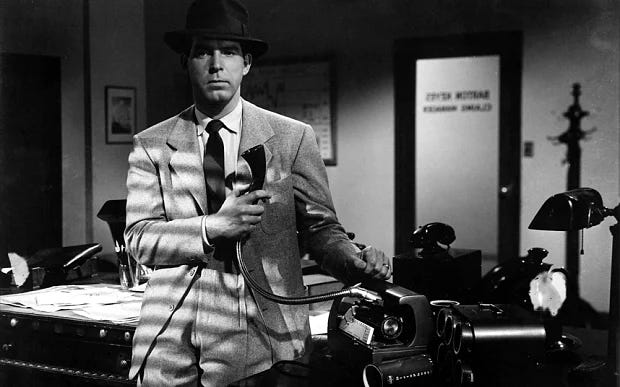
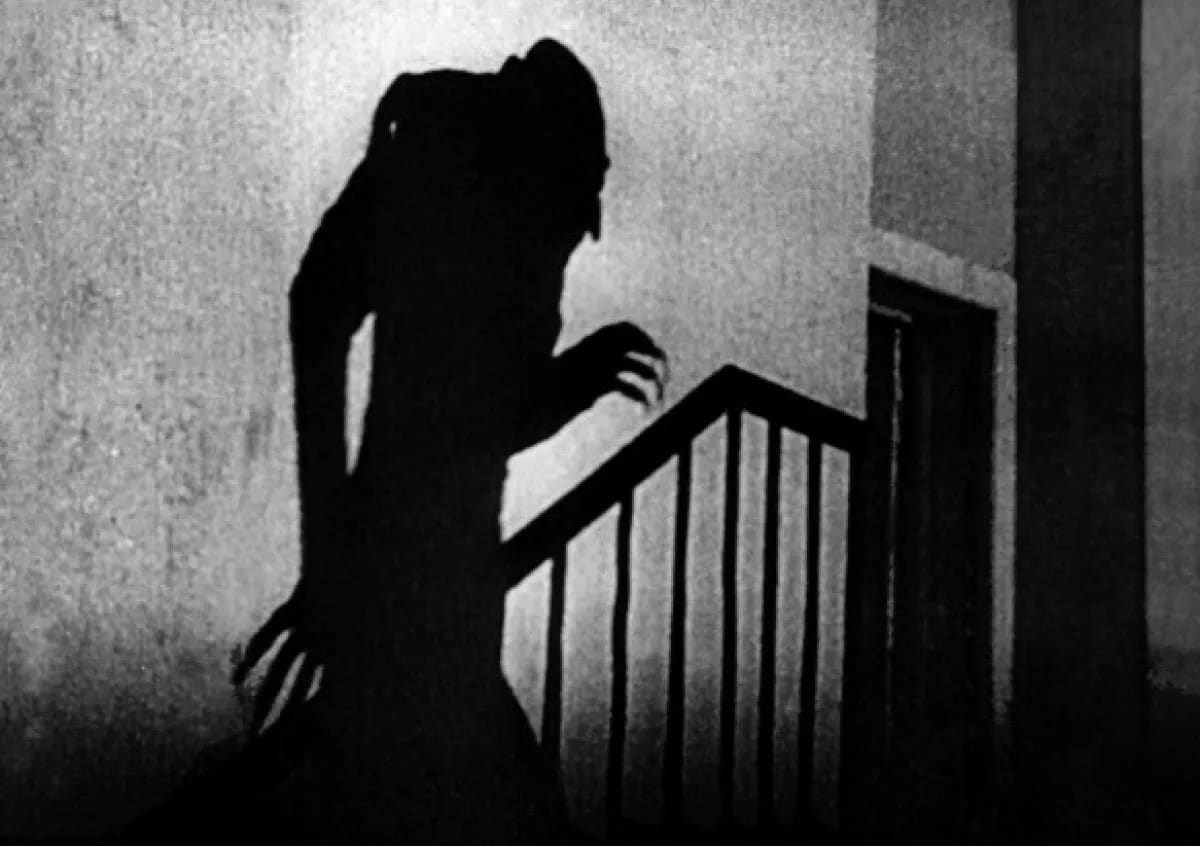
If the 1960s was a decade of crucial cultural change, the 1940s was a decade of major industrial transformation. The death of President Franklin D. Roosevelt, the horror of the Holocaust, the graphic brutality of combat, and the atomic bombings of Hiroshima and Nagasaki all happened within a few years. Also, some of film noir’s pessimism might be attributed to the fact that many classical Hollywood stars and directors were refugees of Nazi Germany, such as Billy Wilder, Fritz Lang, Douglas Sirk, Ernst Lubitsch, Conrad Veidt, Peter Lorre, and more. Directors brought with them a German Expressionist influence on American cinema. Noir’s harsh lighting contrasted with deep shadows brings to mind the chiaroscuro of 1920s German Expressionism, like The Cabinet of Dr. Caligari (1920) and Nosferatu (1922). As a result, American cinema became darker—literally and figuratively.
If these aspects weren’t scary enough, women created another conflict, as they provided only minimal comfort to men. While femme fatales are often considered to be a manifestation of men’s postwar gender anxieties, women had been scaring the hell out of men for a while. Many noir films are adaptations of novels that were published 10 years prior, during the Great Depression. Still, there was something intimidating about the postwar woman. She had lived through the Great Depression, so she had learned to take care of herself a long time ago. She didn’t need a man to do it for her. These newly self-sufficient women also saw most of the men they grew up with go to war, leaving them alone on the homefront, and many never came back. If they did, they were never the same physically and/or mentally.
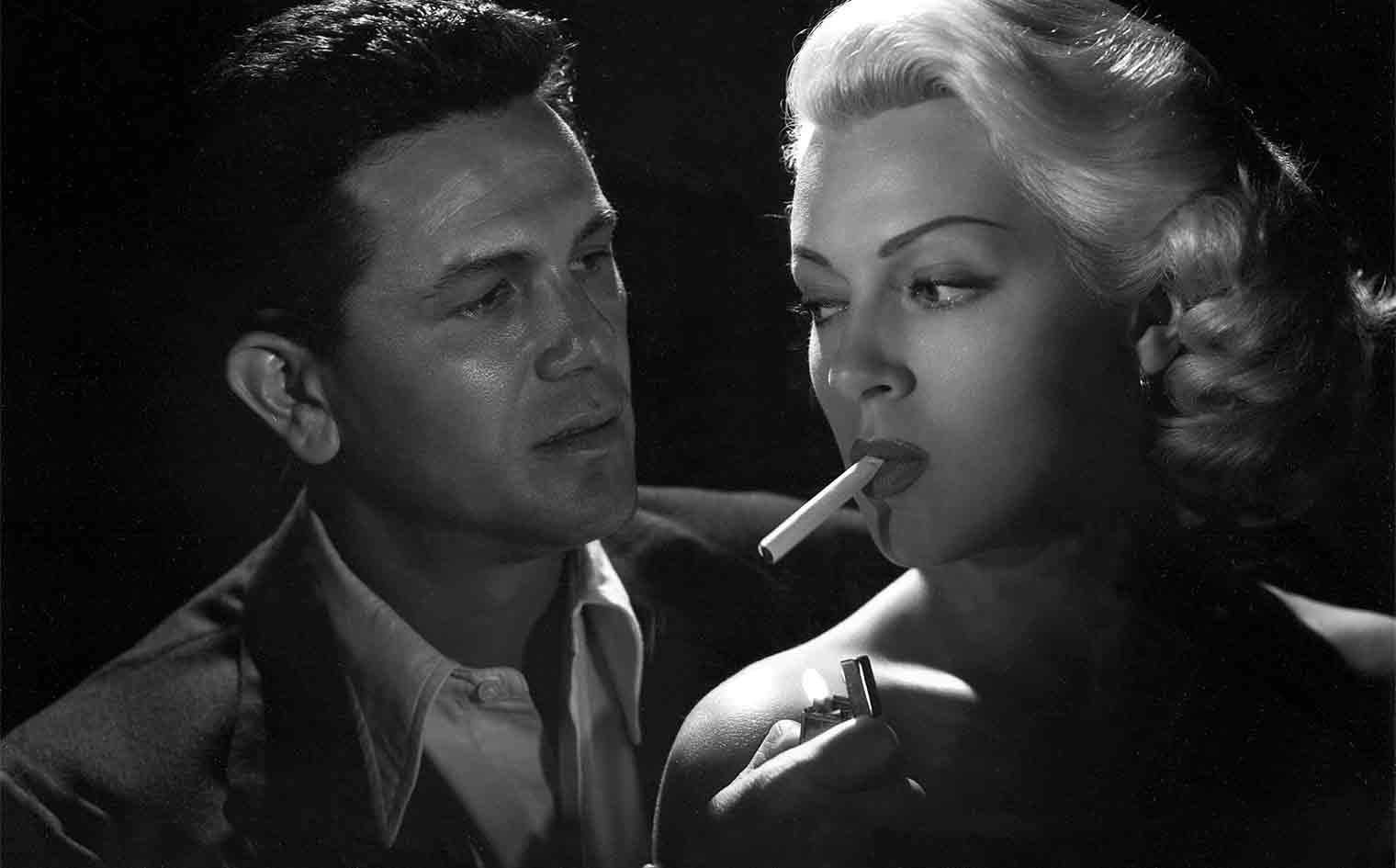
The femme fatale is one of the most well-known aspects of film noir: the spider woman who is willing to do anything to get what she wants, even if it includes bringing down someone else—usually a clueless man—with her. Yet, some of these spider women are not so wicked—some are even sympathetic, such as Lana Turner’s Cora Smith in The Postman Always Rings Twice (1946). But many women in these films are straight up evil—like Barbara Stanwyck’s Phyllis Dietrichson in Double Indemnity (1944) and Veda, Joan Crawford’s vicious daughter in Mildred Pierce (1945).
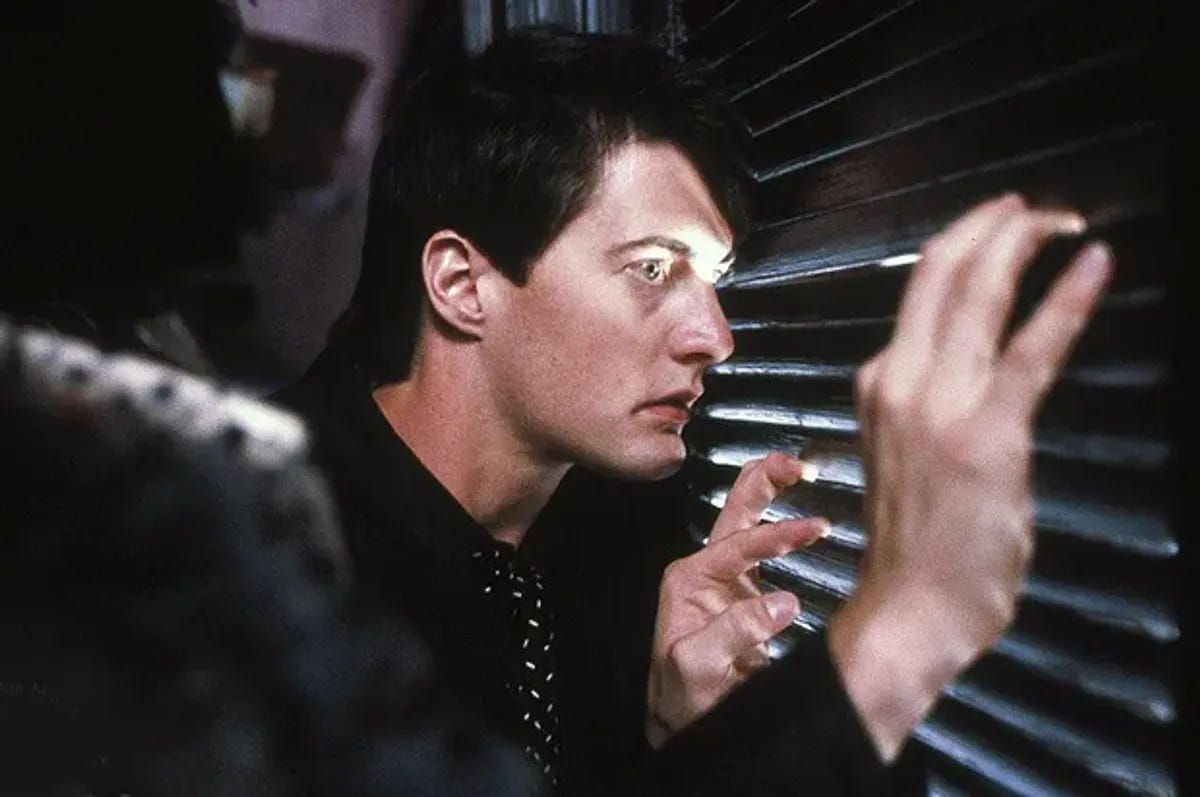
But as the 1950s gave way to the ’60s, film noir faded, as the postwar pessimism subsided, but it returned in the equally cynical ’70s and ’80s as neo noir. This version of noir features some of the same elements—a conniving woman bringing an unsuspecting man down with her—but for a new audience with different concerns. In the wake of Watergate and MK-Ultra, the 1970s were paranoid, and after Reagan, the ’80s were bleak. A naive Kyle MacLachlan confronts the dark underbelly of small town America in Blue Velvet (1986), while in Thief (1981), a weary James Caan is a noir anti-hero for the ’80s who gets in over his head after making a deal with a powerful gangster. Perhaps the state of our current times will give rise to an updated version of noir for a new generation.
Quad Cinema and Angelika at Village East are observing Noirvember with weekly screenings of both classic and neo noir, including Double Indemnity (1944), Out of the Past (1947), Chinatown (1973), Blue Velvet (1986), and more.
Learn more
Good work! Should be required reading for newbies and those who still refuse to watch a B&W movie (you know who you are).