

NYFF63: Gloria Swanson Stuns in New Restoration
The screen legend’s final, unfinished silent film, ‘Queen Kelly,’ gets a glow up almost 100 years later, thanks to the painstaking work of Milestone Films’ Dennis Doros.
Directed by Erich von Stroheim and starring Gloria Swanson, Queen Kelly—a restoration incorporating newly discovered materials and a reimagined ending—had its American premiere at the New York Film Festival (NYFF). Produced in the late 1920s by Joseph Kennedy Sr. (Swanson’s lover at the time), it was a huge, costly failure, and von Stroheim never sat in the director’s chair again. His history of excess worked against him, causing him to take the blame for the unfinished project. Since production of Queen Kelly was halted, Milestone Films co-founder Dennis Doros was faced with the unique problem of restoring an uncompleted film, but he proves that sometimes, the impossible really can be possible. Between the new materials and changes in archives’ practice and policy, this restoration is the most complete version of Queen Kelly to exist, and it only took nearly 100 years.
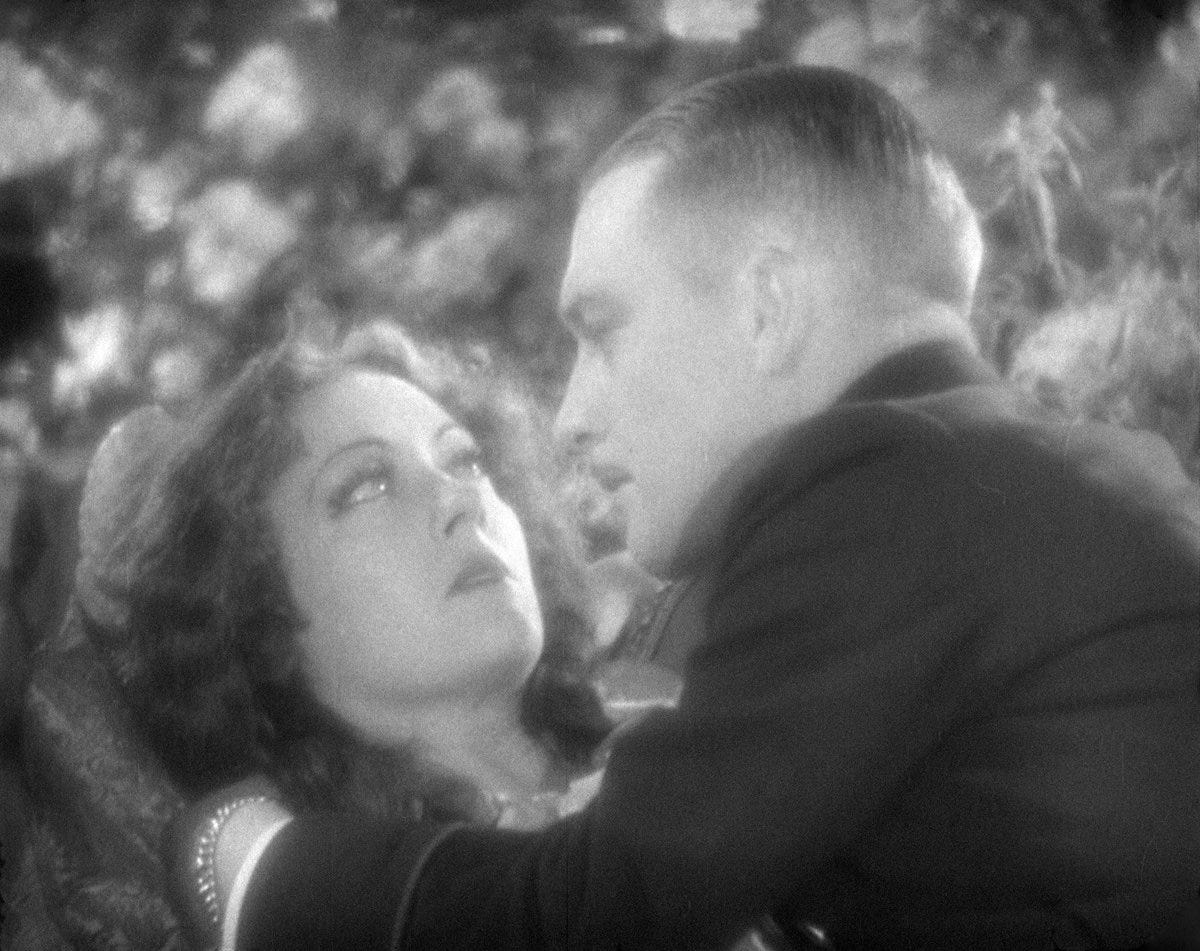
Set in a fictional European country before the First World War, Queen Kelly follows Patricia Kelly (Gloria Swanson), an orphan in a convent, as she meets Prince Wolfram von Hohenberg Falsenstein (Walter Byron) by chance and falls in love with him. However, he is to be married to the ruthless Queen Regina V (Seena Owen), who finds them in bed together the night before their wedding. Regina lashes out, beating Kelly as she chases her out of the castle. She puts Prince Wolfram in prison for not marrying her, and Kelly ends up in German East Africa (present-day Burundi, Rwanda, the Tanzania mainland, and the Kionga Triangle) after receiving a telegram saying that her aunt is nearing death. Her aunt wants her to marry Jan Vryheid (Tully Marshall), a cruel man who wants to take advantage of her innocence, but her aunt feels that she will have a financially secure future with him. Kelly refuses to live with him, so Jan forces her to become the madam of a brothel, where her noble demeanor earns her the nickname “Queen Kelly.”
The film’s production was fraught. Swanson didn’t like the direction that Queen Kelly takes when her character leaves for German East Africa. While the Hays Code wasn’t implemented until 1934, Hollywood studios were still strongly encouraged to follow William H. Hays’ recommendations—called “The Formula”—and filmmakers were asked to describe the plots of films to his office for approval. Swanson felt that von Stroheim was purposefully making a film that would be deemed inappropriate, since Kelly ultimately ends up in a brothel, while von Stroheim felt that the film was scrapped due to the coming advent of sound. Swanson called Joe Kennedy and told him, “Our director is a mad man,” and production stopped soon after. Trying to salvage the costly footage set in Europe, Kennedy and Swanson shot another ending in 1931, where Kelly dies in despair (an implied suicide) after Kelly’s humiliation by the evil Queen Regina V, but this cut was only screened in France and Argentina.
While Queen Kelly got a restoration in 1985, this version has a reimagined ending that is as true to von Stroheim’s original idea as it can be given the circumstances. Dennis Doros knew it was impossible to restore an unfinished film, so using original 35mm and 16mm materials, photographs, and papers, this version lets us imagine what von Stroheim’s cut could have been like. The George Eastman Museum in Rochester, New York, holds three full nitrate prints of Queen Kelly, along with four nitrate reels of the outtakes. Fortunately, after these prints were analyzed with the help of Eastman Museum’s Deborah Stoiber, they realized one of them was near mint.
Production records revealed that outtakes of the wedding footage from a previous von Stroheim film, Wedding March, were planned to be used in the end of Queen Kelly. Archivists at Paramount Pictures struck a deal with Milestone to allow a clip from Wedding March to be used in this restoration of Queen Kelly, as the outtakes no longer exist. While conducting research on the film, Doros realized that American documentarians and adventurers Martin and Osa Johnson were to supply footage of Africa to add realism. But they never shot footage that Doros could have used, so footage was taken from Osa’s film, African Paradise (1941), with permission from the Library of Congress. Citing production notes, Doros was able to provide intertitles to tell the story as closely as possible to the director’s intentions. These were marked with “Milestone” on the bottom right corner to maintain the director’s original vision and establish what was added.
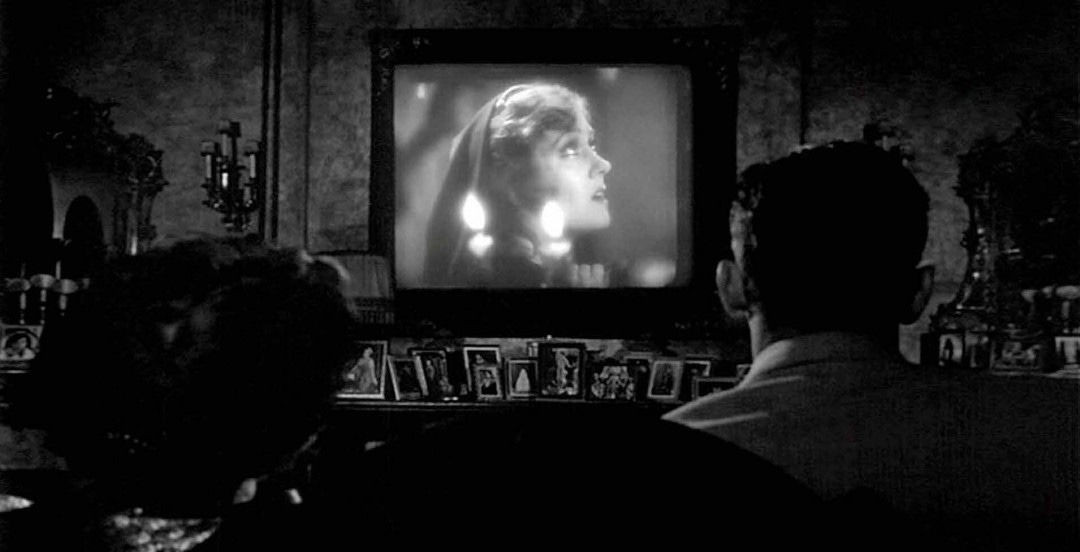
Because of all these factors, this is the most complete version of Queen Kelly that exists, and since it’s restored from a near mint nitrate print, it’s as stunning as its leading lady. Gloria Swanson shines in this film, so it’s no wonder why Norma Desmond chooses it to screen for her kept man in Billy Wilder’s 1950 classic Sunset Boulevard—and ironic, too, as her butler is played by von Stroheim. Queen Kelly is one of Swanson’s last projects before Hollywood started typecasting her as an old lady at the age of 30, offering her roles she didn’t want, so she pursued careers in radio, television, and theater until Wilder approached her to play Norma Desmond. Almost 100 years later, Swanson as Kelly finally gets the last laugh, as was intended in the original script, and von Stroheim’s vision gets another chance to be seen thanks to Dennis Doros and Milestone Films. Queen Kelly will be coming to theaters next year.