

Review: 'Weapons'
In recent years, the horror film genre has primed viewers to expect more than jump scares, but does director Zach Cregger’s highly anticipated—and hyped—new movie deliver something more?
Zach Cregger’s Weapons is one of the most anticipated horror films of the year. After the success of Barbarian, Cregger began working on the spec script for what would become Weapons. When it entered the market in January 2023, it ignited a bidding war that included Netflix, New Line Cinema, TriStar Pictures, and Universal Pictures. Ultimately, New Line won within 24 hours, offering $38 million to cover all costs, including production and salaries. Cregger was also given final-cut privilege, as well as a guaranteed theatrical release. Nope director Jordan Peele participated in the auction as chairman and CEO of Monkeypaw Productions, in conjunction with Universal Pictures, and when he lost, he decided to find new management. All these factors have created a lot of hype, but will Weapons live up to it?
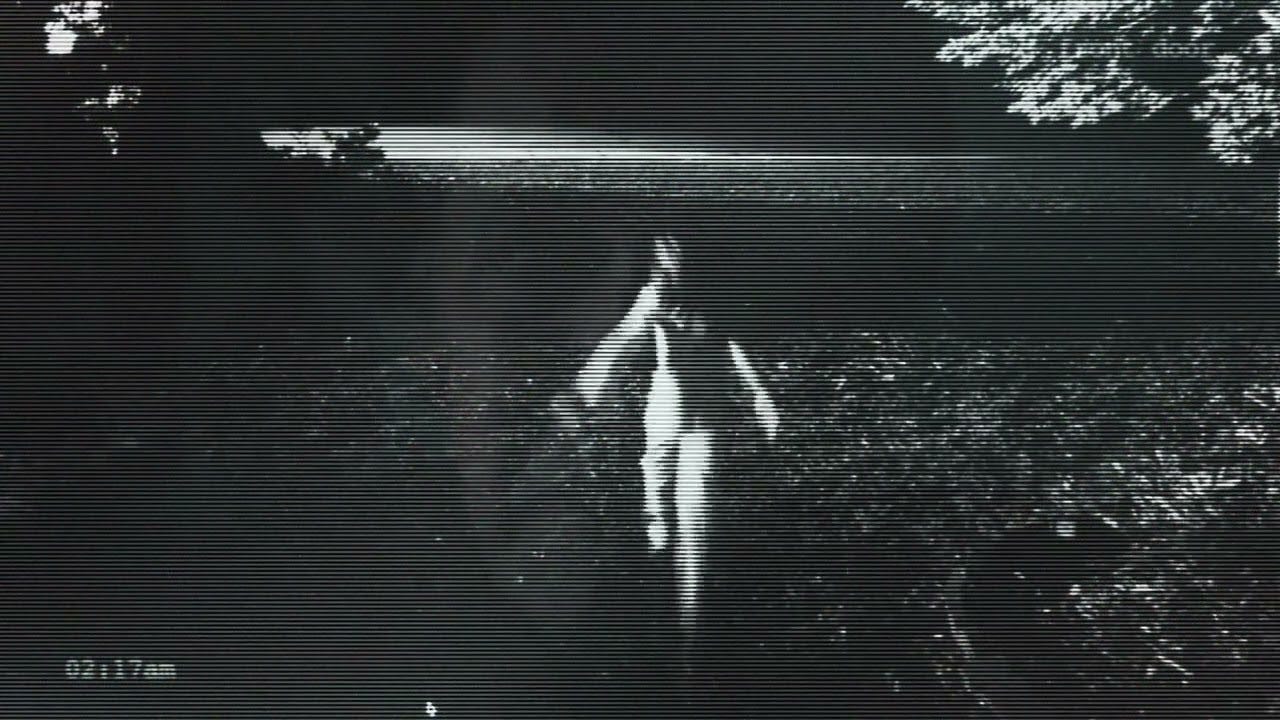
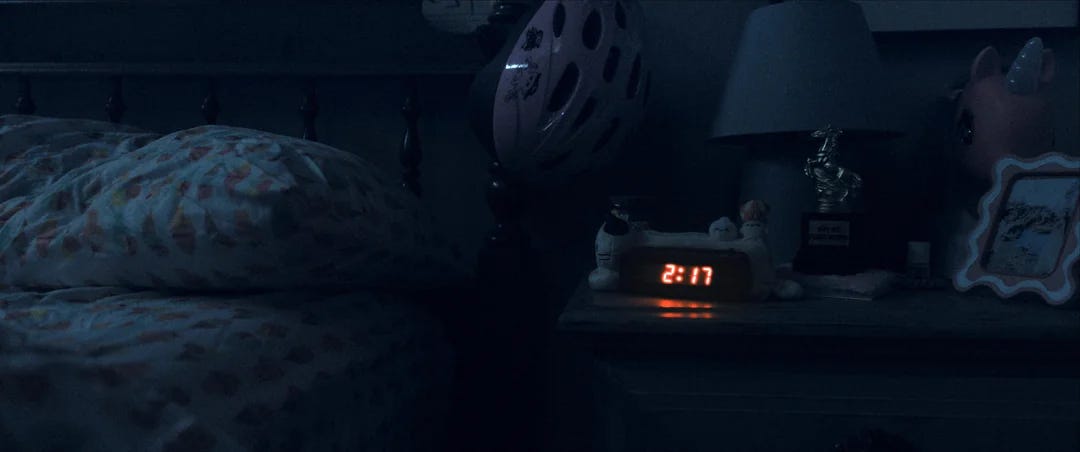
The film follows teacher Justine Gandy (Julia Garner) after she walks into her classroom one morning to discover only one student, Alex Lilly (Cary Christopher), is present and sitting at his desk. A police investigation ensues that goes nowhere. In the process, Justine and Alex are grilled by detectives, both claiming to know nothing about the disappearance of the 17 children overnight. Because of Ring cameras and other home security devices, police pinpoint that the children got up at 2:17 the previous morning and ran into the darkness, never to be seen again. According to the voiceover by an unnamed young child, this is where the story actually begins. Sometime later, contractor Archer Graff (Josh Brolin) still hasn’t accepted the disappearance of his son and makes regular inquiries to the police chief about the status of the case. Frustrated, he eventually begins investigating on his own. Meanwhile, Justine feels like the whole town hates her, and that isn’t unfounded, as she’s harassed by an unknown individual. She’s advised by her principal to take some time off, which she uses to investigate what happened to her class, too.
It goes without saying that the film is highly suspenseful. Cregger understands Alfred Hitchcock’s bomb analogy: The audience will be surprised if a bomb goes off under the table where characters sit, but if they had seen someone put it under the table, it becomes more fascinating. Now, they’re participating and screaming in their heads, “There’s a bomb under you, and it’s about to explode!” The anticipation of the bomb going off is much worse than the actual explosion.
As suspenseful as it is, Weapons doesn’t make much sense and falls apart when you think about it too much. Prior to the film’s release, many had speculated that Weapons would be a metaphor for school shootings—the trailer supports that theory—but that kind of falls flat. Alex doesn’t fit the profile for a school shooter: Despite some mild taunting by a classmate, he’s an otherwise healthy and well-adjusted boy with parents who love him. Still, the fact that the whole class, except Alex, goes missing and because someone’s nightmare features an AR-15 rather prominently and ominously, it’s always in the back of your mind while watching it.
However, the villain’s motivations don’t make much sense. They want to lie low but kidnap a whole classroom of children. Even in a big city, that would be a major news story if a whole class vanished. In a small town where everybody kind of knows one another, or of one another, it’s devastating. The culprit claims they’re sick and need the children to get better, but they never appear to use these kids for any reason. Do we even fully believe that the guilty party needs the students to regain their strength, or is that just what they say? If they’re feeding off the class’s energy, they appear to function just fine off the energy of a few adults.
Still, roughly 10 years of “elevated horror” has primed audiences to expect films of this genre to be a metaphor for something, usually trauma, grief, addiction, depression, whatever inner demons you can imagine. Sometimes, a horror movie is just about enjoying the ride, suspending all disbelief, and getting caught up in the story, even if it doesn’t make much sense when you think about it too much. Sometimes, a horror movie is DIY. In other words, you have to give it your own meaning. Occasionally, you watch a movie, and you don’t know what you just watched. But you know you liked it (or hated it), and you give it your own meaning, one that is unique to you.
Weapons is just basically an elevated shockfest movie with a lot of suspense and a mildly satisfying payoff, but you have to apply your own interpretation. It isn’t so clearly spelled out for you—and that isn’t a bad thing.